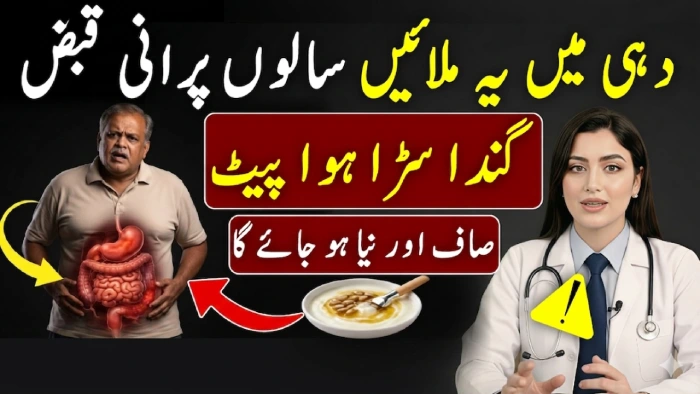
How to Beat Bloating and Gas from Fiber-Rich Foods
Fiber-rich foods are widely recognized for their health benefits. They support digestion, promote heart health, help regulate blood sugar levels, and contribute to healthy weight management. Foods such as beans, lentils, whole grains, fruits, vegetables, nuts, and seeds are all excellent sources of dietary fiber. However, many people experience an uncomfortable side effect when increasing their fiber intake: bloating and gas.
While bloating and gas can be frustrating, they do not mean that fiber-rich foods are bad for your health. In most cases, these digestive symptoms occur because the body needs time to adjust to a higher fiber intake. Understanding why fiber causes bloating and learning practical ways to manage it can help you enjoy the benefits of fiber without discomfort.
Why Fiber Causes Bloating and Gas
Fiber is a type of carbohydrate that the human body cannot fully digest. Unlike proteins, fats, and other carbohydrates, fiber passes through much of the digestive system intact. When fiber reaches the large intestine, beneficial gut bacteria ferment certain types of fiber. This fermentation process produces gases such as hydrogen, methane, and carbon dioxide.
The production of gas is a normal and healthy part of digestion. In fact, it indicates that gut bacteria are actively breaking down fiber and supporting digestive health. However, when large amounts of fiber are introduced too quickly, the digestive system may struggle to adapt, resulting in excessive gas, bloating, abdominal discomfort, and feelings of fullness.
Certain high-fiber foods are more likely to trigger these symptoms. Beans, lentils, chickpeas, broccoli, cabbage, onions, and whole grains contain compounds that can increase gas production during digestion. Individual tolerance levels also vary, meaning some people may react more strongly than others.
Increase Fiber Intake Gradually
One of the most effective ways to prevent bloating and gas is to increase fiber consumption slowly. Many people make the mistake of dramatically changing their diet overnight, going from a low-fiber diet to consuming large amounts of vegetables, legumes, and whole grains.
The digestive system needs time to adapt to increased fiber levels. Gradually adding fiber-rich foods over several weeks allows gut bacteria to adjust and become more efficient at processing fiber. As a result, symptoms often decrease significantly.
For example, if you rarely eat whole grains, begin by replacing one serving of refined grains with a whole-grain alternative each day. Similarly, if you want to eat more beans, start with small portions and slowly increase the amount over time.
Stay Properly Hydrated
Water plays a critical role in helping fiber move smoothly through the digestive tract. When fiber absorbs water, it becomes softer and easier to process. Without adequate hydration, fiber can contribute to digestive discomfort, constipation, and increased bloating.
People who increase their fiber intake should also increase their water consumption. Drinking water consistently throughout the day supports healthy digestion and helps reduce the likelihood of gas-related discomfort.
Hydration is especially important when consuming foods high in soluble fiber, such as oats, apples, and legumes. Soluble fiber absorbs water and forms a gel-like substance in the digestive system, making adequate fluid intake essential.
Choose the Right Types of Fiber
Not all fiber affects the digestive system in the same way. Dietary fiber is generally divided into two categories: soluble fiber and insoluble fiber.
Soluble fiber dissolves in water and is found in foods such as oats, beans, apples, and citrus fruits. It supports heart health and blood sugar control but can sometimes produce more gas during fermentation.
Insoluble fiber does not dissolve in water and is found in whole grains, nuts, seeds, and many vegetables. It adds bulk to stool and helps promote regular bowel movements.
Some individuals find that certain fiber sources are easier to tolerate than others. Experimenting with different foods can help identify which types of fiber work best for your digestive system.
Prepare High-Fiber Foods Properly
Food preparation methods can significantly affect how fiber-rich foods impact digestion. Certain techniques help reduce compounds that contribute to gas production.
For legumes such as beans, soaking them overnight before cooking can help remove some of the complex sugars responsible for gas formation. Rinsing canned beans thoroughly before use may also reduce digestive discomfort.
Cooking vegetables instead of eating them raw can make them easier to digest. Raw cruciferous vegetables like broccoli, cauliflower, and cabbage are nutritious but may cause more bloating in sensitive individuals. Steaming, roasting, or sautéing these vegetables can improve tolerance while preserving much of their nutritional value.
Eat Slowly and Mindfully
The way food is consumed can influence bloating just as much as the food itself. Eating too quickly often leads to swallowing excess air, which can contribute to abdominal bloating and discomfort.
Taking time to chew food thoroughly helps break it down before it reaches the stomach and intestines. This process reduces digestive workload and supports smoother digestion. Eating slowly also allows the body to recognize fullness signals, preventing overeating, which can worsen bloating.
Mindful eating habits, such as avoiding distractions during meals and paying attention to portion sizes, can further improve digestive comfort.
Support a Healthy Gut Microbiome
The gut microbiome plays a major role in how efficiently fiber is processed. A diverse and balanced population of beneficial bacteria can help reduce digestive symptoms over time.
Regular consumption of probiotic-rich foods may support gut health and improve adaptation to fiber-rich diets. Foods such as yogurt, kefir, fermented vegetables, and other naturally fermented products contain beneficial microorganisms that may aid digestion.
Prebiotic fibers found in foods such as garlic, onions, bananas, and asparagus also nourish beneficial gut bacteria. Although some prebiotic foods can initially increase gas production, gradual consumption often helps strengthen digestive resilience.
Identify Potential Food Sensitivities
Sometimes bloating is not caused solely by fiber. Certain individuals may have sensitivities to specific carbohydrates known as fermentable carbohydrates. These compounds are naturally present in many healthy foods, including some fruits, vegetables, dairy products, and legumes.
If bloating remains severe despite gradual fiber increases and proper hydration, keeping a food diary may help identify patterns. Recording meals and symptoms can reveal which foods consistently trigger digestive discomfort.
Some individuals discover that only a few specific foods are problematic, allowing them to continue enjoying most fiber-rich foods without significant issues.
Maintain Regular Physical Activity
Physical activity supports healthy digestion and may help reduce bloating. Movement encourages intestinal contractions that help move food and gas through the digestive tract more efficiently.
Even moderate activities such as walking after meals can make a noticeable difference. Regular exercise also supports overall digestive health, reduces constipation risk, and contributes to better gut function.
People who spend long periods sitting may experience slower digestion, which can worsen bloating and feelings of fullness. Incorporating daily movement can help counteract these effects.
When to Seek Medical Advice
Occasional bloating and gas from fiber-rich foods are generally normal. However, persistent or severe symptoms should not be ignored. If bloating is accompanied by significant abdominal pain, unexplained weight loss, chronic diarrhea, blood in the stool, or other concerning symptoms, professional medical evaluation is recommended.
Conditions such as irritable bowel syndrome, food intolerances, celiac disease, and other digestive disorders may contribute to ongoing digestive discomfort. Proper diagnosis can help determine the underlying cause and guide appropriate treatment.
Conclusion
Fiber-rich foods are among the most valuable components of a healthy diet, but they can sometimes cause temporary bloating and gas. Fortunately, these symptoms are often manageable and tend to improve as the digestive system adapts.
Increasing fiber gradually, drinking enough water, preparing foods properly, eating slowly, supporting gut health, and staying physically active can all help reduce digestive discomfort. Rather than avoiding fiber-rich foods altogether, focusing on gradual dietary changes and understanding your body’s unique responses can allow you to enjoy their many health benefits without unnecessary bloating.
With patience and the right strategies, most people can successfully incorporate more fiber into their diet while maintaining digestive comfort and supporting long-term health.