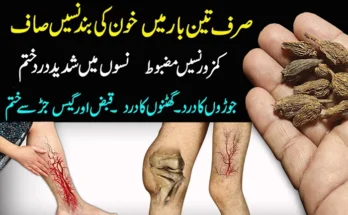
Joints Pain Treatment: 7 Reasons and How to Find Relief from Home Remedy
Joint pain is a common health problem that affects millions of people worldwide. It can occur in people of all ages, although it becomes more frequent as individuals grow older. Joint pain can make everyday activities such as walking, climbing stairs, lifting objects, or even getting out of bed difficult and uncomfortable. The pain may range from mild discomfort to severe inflammation that significantly impacts quality of life.
The joints are the connections between bones that allow movement and flexibility. When these joints become inflamed, injured, or damaged, pain and stiffness can develop. Understanding the causes of joint pain is the first step toward finding effective treatment and relief. Fortunately, many cases of joint pain can be managed with simple home remedies, healthy lifestyle choices, and preventive measures.
This article explores seven common reasons for joint pain and practical home remedies that may help reduce discomfort and improve mobility.
1. Osteoarthritis
Osteoarthritis is one of the leading causes of joint pain, especially among older adults. This condition occurs when the protective cartilage that cushions the ends of bones gradually wears away. As the cartilage deteriorates, bones may rub against each other, causing pain, stiffness, and swelling.
The knees, hips, hands, and spine are the joints most commonly affected by osteoarthritis. Symptoms often worsen after physical activity and improve with rest. People with osteoarthritis may notice reduced flexibility and difficulty performing routine tasks.
Home remedies for osteoarthritis include maintaining a healthy weight, engaging in low-impact exercises such as walking or swimming, and applying warm compresses to affected joints. Gentle stretching exercises can also help improve joint mobility and reduce stiffness.
2. Rheumatoid Arthritis
Rheumatoid arthritis is an autoimmune disease that causes the body’s immune system to attack healthy joint tissues. Unlike osteoarthritis, rheumatoid arthritis can affect multiple joints simultaneously and may lead to severe inflammation and joint damage if left untreated.
Common symptoms include joint pain, swelling, morning stiffness, fatigue, and redness around the joints. The condition often affects the hands, wrists, knees, and feet.
While medical treatment is essential for managing rheumatoid arthritis, home remedies can provide additional support. Anti-inflammatory foods such as fatty fish, fruits, vegetables, nuts, and olive oil may help reduce inflammation. Adequate rest and stress management techniques can also contribute to better symptom control.
3. Joint Injuries
Joint injuries can occur during sports activities, exercise, accidents, or falls. Sprains, strains, torn ligaments, and dislocations are common causes of joint pain. Injuries may lead to swelling, bruising, tenderness, and limited movement.
The severity of symptoms depends on the extent of the injury. Minor injuries often heal with proper care, while severe injuries may require medical evaluation and treatment.
A widely recommended home treatment approach is the RICE method: Rest, Ice, Compression, and Elevation. Applying ice packs for short periods can help reduce swelling and discomfort during the initial stages of recovery. Avoiding activities that place additional stress on the injured joint is also important.
4. Gout
Gout is a type of arthritis caused by the buildup of uric acid crystals in the joints. These crystals trigger sudden and intense episodes of pain, redness, and swelling. The big toe is one of the most commonly affected joints, although gout can occur in other areas as well.
High levels of uric acid may result from consuming excessive amounts of red meat, sugary beverages, alcohol, and certain seafood products. Dehydration can also increase the risk of gout attacks.
Drinking plenty of water may help the body eliminate excess uric acid. Limiting foods that contribute to elevated uric acid levels can also reduce the likelihood of flare-ups. Consuming cherries and vitamin C-rich foods may provide additional support for some individuals.
5. Bursitis
Bursitis occurs when the small fluid-filled sacs called bursae become inflamed. These sacs help reduce friction between bones, tendons, and muscles around the joints. Repetitive movements, prolonged pressure, or injuries can cause bursitis.
Commonly affected areas include the shoulders, elbows, hips, and knees. Symptoms often include pain, tenderness, swelling, and difficulty moving the affected joint.
Resting the affected area is one of the most effective home remedies for bursitis. Applying cold compresses can reduce inflammation, while gentle stretching exercises may help maintain flexibility once the acute pain subsides. Avoiding repetitive activities that aggravate the condition is also beneficial.
6. Tendinitis
Tendinitis refers to inflammation of a tendon, the thick tissue that connects muscles to bones. Repetitive motions, overuse, and aging can contribute to tendon irritation and pain.
The shoulders, elbows, wrists, knees, and heels are commonly affected by tendinitis. Symptoms typically include pain during movement, tenderness, and mild swelling.
Home management often involves reducing activities that place stress on the affected tendon. Ice therapy can help relieve inflammation, while gradual strengthening exercises may improve recovery over time. Maintaining proper posture and using correct exercise techniques can also help prevent recurrence.
7. Obesity and Excess Weight
Excess body weight places additional stress on weight-bearing joints such as the knees, hips, and lower back. Over time, this increased pressure can contribute to joint wear and tear, inflammation, and chronic pain.
Research has shown that even modest weight loss can significantly reduce joint stress and improve mobility. Individuals who are overweight often experience noticeable improvements in joint comfort after losing weight through healthy diet and regular exercise.
A balanced diet rich in vegetables, fruits, whole grains, and lean proteins can support healthy weight management. Regular physical activity not only helps control weight but also strengthens muscles that support the joints.
Effective Home Remedies for Joint Pain Relief
Many people seek natural ways to manage joint pain at home. While home remedies may not cure underlying medical conditions, they can often help reduce symptoms and improve daily comfort.
Heat therapy is widely used to relax muscles and increase blood circulation around painful joints. Warm baths, heating pads, and warm compresses can provide soothing relief, especially for stiffness.
Cold therapy is beneficial for reducing inflammation and swelling. Applying an ice pack wrapped in a cloth for 15 to 20 minutes can help ease acute pain and discomfort.
Regular exercise is one of the most effective long-term strategies for joint health. Activities such as walking, cycling, swimming, and yoga can improve flexibility, strengthen supporting muscles, and reduce stiffness.
Hydration also plays an important role in maintaining healthy joints. Drinking enough water helps support cartilage health and overall body function.
Some people find relief through natural anti-inflammatory foods. Ginger, turmeric, berries, leafy greens, and omega-3-rich fish are commonly included in joint-friendly diets. These foods may help reduce inflammation and support overall wellness.
Adequate sleep is equally important. During sleep, the body repairs tissues and regulates inflammatory processes. Poor sleep quality can worsen pain perception and reduce the body’s ability to recover.
When to Seek Medical Attention
Although home remedies can be effective for mild joint pain, certain symptoms require professional medical evaluation. Persistent pain lasting several weeks, severe swelling, sudden inability to move a joint, fever accompanied by joint pain, or signs of infection should not be ignored.
Early diagnosis and treatment can prevent complications and improve long-term outcomes for many joint-related conditions. Consulting a healthcare professional is especially important when symptoms interfere with daily activities or continue to worsen.
Conclusion
Joint pain can arise from a variety of causes, including osteoarthritis, rheumatoid arthritis, injuries, gout, bursitis, tendinitis, and excess body weight. Identifying the underlying cause is essential for choosing the most appropriate treatment approach. While some conditions require medical care, many individuals can find significant relief through simple home remedies, healthy lifestyle changes, and preventive measures.
Regular exercise, proper nutrition, weight management, adequate hydration, and heat or cold therapy can all contribute to healthier joints and improved mobility. By taking proactive steps to care for your joints, you can reduce discomfort, maintain an active lifestyle, and enhance your overall quality of life.